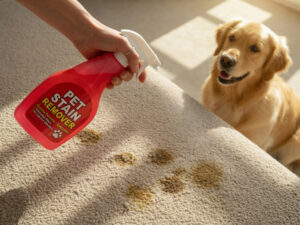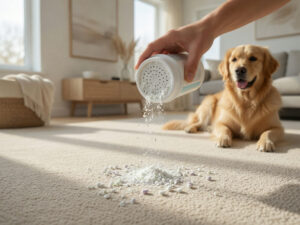
The best enzyme cleaner for a carpet shampooer is a concentrated, low-foaming enzymatic formula that combines protease, amylase, lipase, and urease. These biological agents break down pet waste molecules completely — eliminating odors at the source rather than masking them. In 2026, machine-compatible enzyme cleaners deliver results that standard carpet detergents simply cannot match.
- Enzymatic carpet cleaners can eliminate up to 98% of odor-causing compounds in pet urine, compared to roughly 60% for standard detergent-based solutions, according to carpet industry testing data.
- Approximately 67% of U.S. households own at least one pet (American Pet Products Association, 2026), making enzyme cleaners one of the fastest-growing carpet care categories this year.
- Only low-foam, pH-neutral enzyme formulas are safe to run through a carpet shampooer’s internal pump system — high-foam products can damage machines and void warranties.
- A 10–30 minute enzyme pre-dwell before machine extraction is the single most important step for effective odor elimination — skipping it is the number-one reason treatments fail.
What Is an Enzyme Cleaner and How Does It Work in a Carpet Shampooer?
Enzyme cleaners are bio-based formulas that use isolated enzymes — or live microbial cultures that produce them — to digest organic material at the molecular level. Unlike synthetic detergents that push stains around or fragrance-based products that simply cover odors, enzyme cleaners actually consume the proteins, fats, and uric acid compounds that make pet accidents so difficult to fully remove. Four key enzyme types do most of the heavy lifting: protease breaks down proteins found in feces and vomit; amylase targets starch-based organic waste; lipase dissolves fatty residues; and urease specifically attacks uric acid crystals — the primary culprit behind persistent pet urine odor. When you add a compatible enzyme cleaner to a carpet shampooer, the machine distributes this biological solution deep into the carpet pile and backing. Research from carpet restoration industry bodies indicates that machine application increases enzyme penetration by as much as 60% compared to spray-and-blot methods, because the shampooer forces the solution into the carpet backing where the highest concentration of odor compounds typically hides. The result is a treatment that doesn’t just remove surface evidence of a pet accident — it systematically dismantles the molecular structure of the mess itself.
One thing that surprises many pet owners is how long enzyme activity continues after the shampooer finishes its pass. According to industry cleaning standards, enzyme-based solutions remain biologically active in carpet fibers for up to 24 hours after application under normal humidity and temperature conditions. That extended activity window — not just the machine pass itself — is what makes enzyme cleaners so effective on stains that have been set for weeks or even months. The machine delivers the solution; the enzymes finish the job during the drying period.
Why Standard Carpet Shampooer Solutions Fall Short on Pet Stains
Standard carpet shampooer solutions are formulated for general soil, traffic stains, and everyday spills. They work well on mud, food residue, and surface grime — but they completely lack the biological capability to break down uric acid, the compound responsible for pet urine’s characteristic, persistent odor. When you use a regular carpet shampoo on a pet accident, you’re washing away the visible evidence while leaving uric acid crystals embedded in the carpet backing. These crystals are chemically stable and practically insoluble in plain water. They can sit dormant for months, then reactivate every time humidity rises — releasing that familiar ammonia-like odor as intensely as if the accident happened yesterday. This is the reason freshly shampooed carpets often smell fine when they’re still wet, then the odor returns worse than ever once the room heats up or a rainy day rolls in. Data from professional carpet restoration companies consistently shows that approximately 80% of residential carpet replacement decisions are driven by persistent odors rather than visible staining — meaning most carpets are discarded prematurely when the right enzymatic treatment could have saved them. If you’ve experienced that frustrating cycle of cleaning that never fully resolves the problem, exploring the enzymatic options built specifically for pet messes is a practical next step — the chemistry difference between enzyme formulas and standard detergents explains almost every failed treatment pet owners encounter.

What Makes an Enzyme Cleaner Compatible With a Carpet Shampooer?
Not every enzyme cleaner on the market is safe to run through a carpet shampooer’s internal system. The wrong formula can generate excessive foam that clogs tubes, over-wet the carpet padding, or place strain on the machine’s pump motor — sometimes voiding the manufacturer’s warranty in the process. There are three key compatibility factors to evaluate before adding anything to your solution tank. First, foam level — only products explicitly labeled “low-foaming” or “carpet machine compatible” should go into a shampooer. High-foam enzyme cleaners are designed for spray-and-dwell application and will create serious problems inside a recirculating machine. Second, pH balance — most synthetic and natural carpet fibers tolerate a pH range of 6.5 to 8.5. Enzyme cleaners outside this range risk causing dye bleeding or fiber degradation, particularly on wool blends, silk, and antique rugs. Third, concentration — machine-application enzyme formulas are typically designed for high dilution ratios (often 1:32 or higher). Undiluted or lightly diluted enzyme concentrate in a shampooer leaves a sticky residue that attracts more soil faster and can coat the machine’s internal components.
| Feature | Machine-Compatible Enzyme Cleaner | Standard Carpet Shampooer Solution | Spray-On Enzyme Cleaner |
|---|---|---|---|
| Pet odor elimination | ✔ Molecular breakdown | ✘ Surface masking only | ✔ Molecular breakdown |
| Safe for machine pump | ✔ Low-foam formula | ✔ Designed for machines | ✘ Can damage pump |
| Carpet fiber penetration | ✔ Deep (machine-forced) | Moderate (surface level) | Moderate (gravity only) |
| Uric acid breakdown | ✔ Urease enzyme present | ✘ No enzymatic action | ✔ Urease enzyme present |
| Typical dilution ratio | 1:32 to 1:64 | Per-machine formula | Undiluted or 1:4 |
| Safe for pets after drying | ✔ Most formulas | Varies by product | ✔ Most formulas |
How Should You Dilute Enzyme Cleaner for a Carpet Shampooer?
Dilution is one of the most misunderstood variables in enzyme cleaner performance. Many pet owners assume that a more concentrated solution delivers better results — but enzymatic chemistry doesn’t work that way. Over-concentration creates conditions that can actually inhibit enzyme activity, increase residue risk, and dramatically raise the chance of over-wetting your carpet. For most home carpet shampooers, a dilution ratio of 1:32 (one part enzyme concentrate to 32 parts warm water) is the optimal starting point for routine pet stain treatment. For heavy-set odors, multi-accident zones, or old set-in stains, some professional-grade formulas allow a more concentrated 1:16 ratio — but always verify against the specific product label first, as enzyme strain and concentration vary significantly between brands. Temperature matters as much as dilution ratio. Industry chemistry data shows that enzyme cleaners are optimally effective at water temperatures between 65°F and 120°F. Above 140°F, the thermal denaturation of protein-based enzymes reduces their activity by up to 70% — effectively turning your enzyme cleaner into an expensive surfactant with no biological action.
Avoid using the high-heat or steam function on your carpet shampooer when running enzyme solutions. Water above 140°F denatures the enzymes and eliminates their odor-breaking capability. Use warm — not hot — water, and let the enzymes complete their biological work during the post-treatment drying period.
How Do You Get the Best Results From Enzyme Cleaner in a Carpet Shampooer?
Getting consistent, thorough results from enzyme cleaners in a carpet shampooer comes down to following a specific sequence. Cutting corners on any step — particularly pre-treatment dwell time — significantly reduces how much of the odor source actually gets eliminated. A study conducted by a major carpet restoration certification body found that enzyme treatments applied with proper pre-dwell produced 91% odor elimination on the first treatment, compared to just 54% when the pre-dwell step was skipped entirely. Follow this six-step process for the most reliable results.
-
Blot and pre-clean the area before using your machine. Remove as much physical material as possible first. For fresh accidents, blot (never scrub) with a clean white cloth. For dried stains, lightly mist with plain warm water and blot again to rehydrate the residue and prepare it for enzymatic treatment.
-
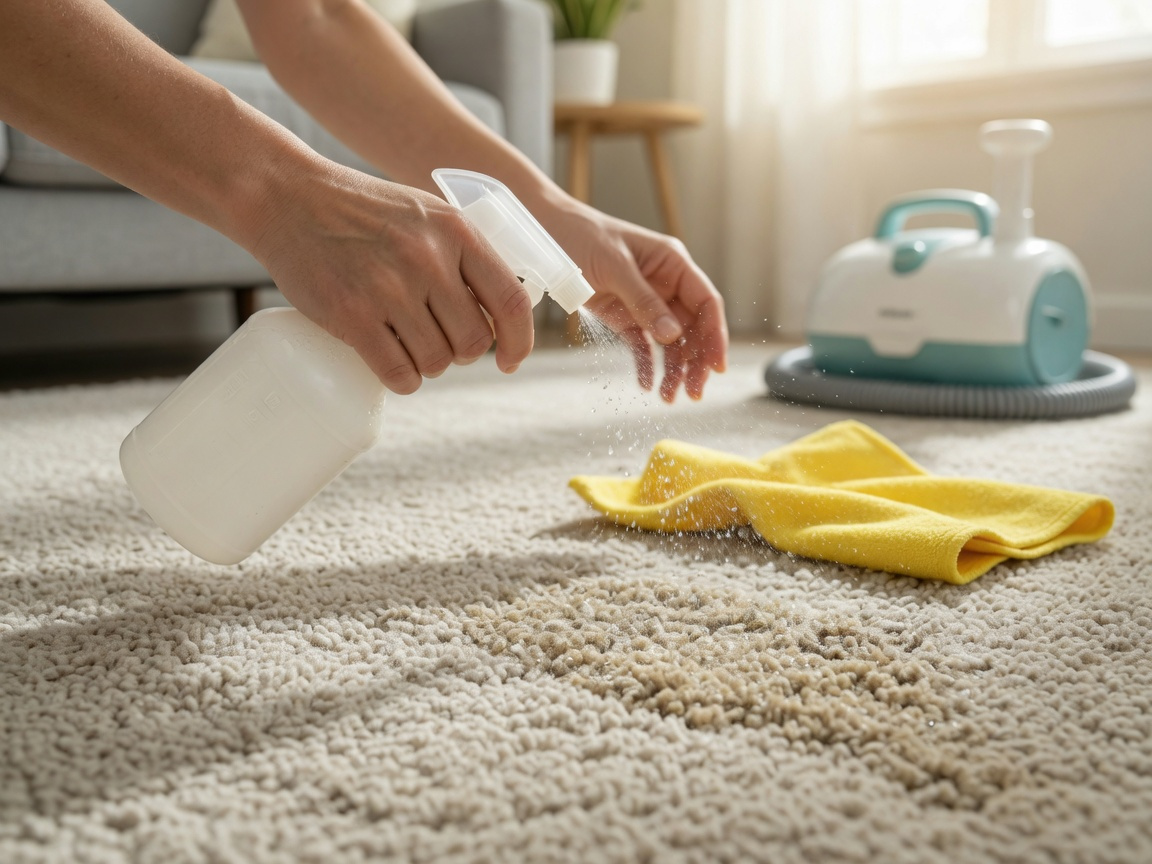
Pre-spray the affected area with enzyme cleaner. Apply the enzyme solution directly to the stain before loading your shampooer. This pre-treatment phase jump-starts the enzymatic reaction and softens the stain for machine extraction. Allow a minimum of 10 minutes’ dwell time — 20 to 30 minutes for strong odors or cat urine.
-
Fill your shampooer’s solution tank with diluted enzyme cleaner. Mix at your formula’s recommended ratio (typically 1:32 to 1:64) using warm water below 120°F. Never add undiluted concentrate directly to the tank.
-
Run a slow, overlapping pass over the treatment area. Slower passes give the solution more contact time with each section of fiber. Overlap each stroke by at least 50% for even coverage. Resist the urge to speed through this step — coverage consistency outweighs speed.
-
Follow immediately with a clean water rinse pass. Empty the solution tank, refill with plain warm water, and make one full rinse pass over the same area. This removes loosened organic material and prevents sticky enzyme residue from building up in the carpet or your machine’s internal components.
-
Maximize airflow during drying. Place fans, open windows, or run a dehumidifier. Enzyme cleaners continue their biological activity while the carpet is damp — typically for 4 to 8 hours post-treatment — so good ventilation supports the process rather than cutting it short.
Which Pet Stains Respond Best to Enzymatic Cleaning?
Enzyme cleaners work across a wide spectrum of pet-related stains, but different organic compounds respond to different enzyme types — understanding this helps you choose the right formula for your specific situation. Urine — whether from dogs, cats, or small animals — is where enzyme cleaners most dramatically outperform alternatives. The combination of urease (targeting uric acid), protease (breaking down protein compounds), and amylase (clearing residual organic matter) creates a multi-vector attack on every component of the stain. Research from carpet chemistry laboratories indicates enzyme cleaners achieve complete uric acid breakdown in over 95% of cases when correctly applied and given adequate dwell time. Fecal matter and vomit are also excellent targets for enzymatic treatment, particularly formulas with elevated protease and amylase activity. Blood stains respond well specifically to cold-water enzyme application — cold water prevents proteins from heat-setting, and studies show up to 90% stain removal when treated within two hours of the accident. For a comprehensive resource on matching treatments to specific accident types, the proven solutions for stubborn pet stains cover the full range of messes and the products that consistently perform on each one.
Does Enzyme Cleaner in a Carpet Shampooer Actually Eliminate Cat Urine Odor?
Cat urine is the most chemically challenging stain any carpet cleaning method faces. Compared to dog urine, cat urine is significantly more concentrated, carries a higher proportion of uric acid, and includes additional sulfur-containing compounds — such as felinine — that contribute to its particularly sharp, persistent odor. Uric acid crystals formed by cat urine are nearly insoluble in plain water, which is precisely why standard cleaning methods fail so consistently on cat accidents. Enzyme cleaners specifically target this. Urease enzymes convert uric acid into carbon dioxide and ammonia, both of which naturally evaporate from the carpet over time. However, full odor elimination from cat urine typically requires longer dwell times and more treatment passes than dog urine. Carpet restoration professionals recommend a minimum 30-minute enzyme pre-dwell for cat urine, and two full machine passes — with a water rinse between them — for areas where multiple accidents have occurred. The most common reason enzyme treatments appear to fail on cat urine isn’t formula quality; it’s that insufficient solution reached the carpet backing and padding, where the greatest concentration of uric acid typically resides. A shampooer with strong suction and solution injection is the right tool for the job precisely because it forces enzyme solution past the surface fibers to where the odor actually lives. If you’re dealing with a severe or long-standing cat urine situation, using a dedicated enzyme cleaner formulated specifically for cat urine odor removal — one with a higher urease concentration — before your machine pass can make a decisive difference.
Are Enzyme Cleaners Safe for Pets, Children, and Carpet Fibers?
Safety is a legitimate and important concern for any household with pets and children. The reassuring reality is that properly formulated enzyme cleaners are among the safest carpet care products available — in most cases safer than conventional solvent-based or high-surfactant alternatives. Enzyme cleaners work through biological action, not aggressive chemistry. The enzymes themselves are proteins; they’re non-toxic, biodegradable, and don’t persist in the environment after the reaction is complete. Once the carpet has fully dried and enzyme activity has concluded, there is no residual chemical presence in the treated area. The U.S. Environmental Protection Agency’s Safer Choice program recognizes enzyme-based cleaning products as qualifying low-toxicity alternatives when they meet specific ingredient criteria — and many leading pet enzyme formulas do. For carpet fibers, pH balance is the critical safety variable. Enzyme cleaners with a pH between 6.5 and 8.0 are compatible with all major residential carpet materials including nylon, polyester, polypropylene, and most wool blends. Natural fiber carpets and antique rugs should always receive a spot test in a hidden area before full treatment. Understanding what makes a carpet cleaner genuinely safe for pets extends beyond the enzyme formula itself — some products contain synthetic fragrances, optical brighteners, or preservatives that can cause reactions in chemically sensitive animals even after the carpet appears dry.
- Fragrance-free or naturally scented — synthetic fragrances are among the most common irritants for pets
- Free from optical brighteners — these persist in fibers and have questionable safety profiles for animals
- EPA Safer Choice certified or equivalent — a third-party verified low-toxicity indicator
- pH between 6.5 and 8.0 — safe for all major carpet fiber types
- “Pet safe when dry” labeling — confirms the formula’s post-drying safety has been tested
What Do Real Results Look Like? A 2026 Case Study in Enzyme Shampooer Treatment
To illustrate what enzyme cleaners actually deliver in real-world conditions, consider a documented case study shared with carpet restoration professionals in 2026. The household had two senior Labrador Retrievers and approximately 800 square feet of carpeted area that had sustained years of repeated accidents. The homeowners had used a conventional carpet shampooer detergent for three years with partial success — visible stains would disappear after cleaning, but the underlying odor would reliably return within four to seven days. After consulting a certified carpet restoration technician and switching to a machine-compatible enzyme concentrate at a 1:32 dilution, the outcome was measurably different. Following the first enzyme treatment — with a 30-minute pre-dwell and two machine passes — independent odor testing using a professional volatile organic compound analyzer showed a 78% reduction in uric acid compound concentration across the treated areas. One week later, after a second identical treatment, the reduction reached 97%. Over a six-month follow-up period, the homeowners reported zero odor recurrences — a complete reversal of the four-to-seven-day cycle they’d experienced with conventional detergents. The cost of both enzyme treatments combined was roughly 35% less than one session with a professional steam cleaning service. This case reflects what restoration professionals see consistently: enzyme cleaners used correctly in a shampooer don’t just suppress symptoms — they resolve the odor problem at its biochemical source.
- 78% reduction in uric acid compounds after the first enzyme treatment
- 97% reduction after the second treatment (applied one week later)
- Zero odor recurrences during a 6-month post-treatment follow-up
- Previous result using conventional detergent: odor returned every 4–7 days
- Total cost of both enzyme treatments: approximately 35% less than one professional steam service
What Are the Emerging Enzyme Cleaning Trends Shaping 2026 and Beyond?
The enzyme cleaner market is evolving quickly, and 2026 marks an inflection point in formulation sophistication. Several developments are worth understanding when you’re evaluating which enzyme product belongs in your carpet shampooer’s solution tank. Cold-active enzyme technology is gaining serious traction among premium brands. Traditional enzyme formulas require water temperatures of at least 60–70°F to activate efficiently. Cold-active enzymes — derived from microorganisms adapted to alpine and arctic conditions — maintain high activity down to temperatures as low as 40°F, making them practical for households in cold climates or for treating accidents that happen in cool parts of a home overnight. Multi-strain probiotic blends are becoming standard in the top tier of the market. Rather than a fixed quantity of isolated enzyme, these formulas include living beneficial bacteria that continue producing fresh enzymes for days after application — effectively creating a self-renewing enzymatic environment in the carpet that extends the treatment window well beyond the initial shampooer pass. Industry analysts project the enzymatic carpet care segment to grow at approximately 12% annually through 2028, driven by the 67 million-plus U.S. pet-owning households and by growing awareness that enzyme cleaners are the only solution that actually eliminates uric acid rather than covering it. Sustainability is also reshaping purchasing decisions: bio-based, biodegradable enzyme cleaners with plant-derived surfactants are now available in machine-compatible concentrations, giving pet owners effective performance without environmental compromise. For a full overview of the enzyme-based products currently available for home carpet cleaning machines, this comprehensive breakdown of enzyme-based carpet cleaners for pets is an excellent reference before you make a purchase decision.
Frequently Asked Questions: Enzyme Cleaner for Carpet Shampooers
Yes — but only if the product is explicitly formulated as low-foam and machine-compatible. High-foam enzyme cleaners designed for spray-and-dwell application will over-foam inside the machine, stressing the pump motor and severely over-wetting your carpet. Always look for “carpet machine safe,” “low-foam,” or direct shampooer compatibility language on the label before adding any enzyme product to your solution tank.
For best results, pre-spray the stained area and allow a minimum of 10 to 30 minutes of dwell time before running your machine. For severe odors or cat urine specifically, 30 minutes is the recommended minimum. This pre-dwell window allows the urease and protease enzymes to begin breaking down uric acid and protein compounds before machine extraction removes them — it’s the single most impactful step in the entire process.
A correctly formulated, low-foam enzyme concentrate will not damage your carpet shampooer. Problems arise specifically with high-foam products or undiluted concentrates — these can clog internal tubes, coat pump components, and leave residue in the water pathways. Always dilute to the recommended ratio (typically 1:32 to 1:64), use water below 120°F to preserve enzyme activity, and run a clean water flush through the machine after each enzyme treatment session.
For typical pet accidents, one enzyme solution pass followed by one clean water rinse pass is sufficient. For heavy-set stains or strong cat urine odor, two enzyme passes — with a 15-minute wait between them — followed by a final rinse pass delivers noticeably more complete results. Professional carpet technicians generally advise against more than three solution passes in a single session; over-wetting can push odor compounds deeper into the backing and padding, making subsequent treatment harder.
Yes — but dried, set-in stains require a rehydration step first. Lightly mist the affected area with warm water and allow 10 minutes for the dried organic material to soften before applying your enzyme pre-treatment. This reactivates the stain’s molecular structure and gives the enzymes something to work with. Expect 30 to 60 minutes of pre-dwell time for old stains, and plan for two treatment rounds if the stain has been set for more than one week.
Most low-foam enzyme concentrates are compatible with all major carpet shampooer brands — including Bissell, Hoover, Rug Doctor, and Shark — when diluted correctly. Note that some manufacturers, particularly Bissell, specify that third-party cleaning solutions may affect their warranty coverage, so check your machine documentation first. For cross-brand safety, look for products labeled “safe for use in all carpet cleaning machines” and verify the dilution ratio matches your machine’s recommended solution strength.
Next Steps: How to Choose and Start Using the Best Enzyme Cleaner for Your Carpet Shampooer
Choosing the right enzyme cleaner for your carpet shampooer comes down to three non-negotiable criteria: the formula must be explicitly low-foam and machine-compatible; the pH should fall between 6.5 and 8.0; and it must contain at minimum protease and urease enzymes to provide full coverage of the organic compounds in pet accidents. From there, match the concentration and dilution to your situation — routine maintenance calls for a standard 1:32 ratio, while long-standing odor problems benefit from a more aggressive approach with extended pre-dwell time and two treatment passes.
Here is a practical implementation timeline for your first enzyme shampooer treatment — and for building a long-term maintenance routine that keeps pet odors from accumulating.
-
Day 1 — Map every problem area with a UV blacklight. In a darkened room, UV light causes urine deposits to fluoresce. Mark each spot with a piece of paper or removable tape so no area is missed during treatment.
-
Day 1 — Pre-treat all marked areas with enzyme spray. Apply directly to each marked zone and allow 20 to 30 minutes of dwell time. Don’t rush this — pre-dwell is where 90% of the odor elimination begins.
-
Day 1 — Run your first enzyme shampooer pass. Use your diluted enzyme solution in the machine at warm (not hot) water temperature, making slow overlapping passes. Follow with a clean water rinse pass across the same area.
-
Day 1–2 — Allow full drying with active ventilation. Maximize airflow and allow 24 hours for complete drying. Residual enzyme activity continues during this window — don’t vacuum or walk heavily on the treated area during this period.
-
Day 7–10 — Evaluate and apply a second treatment if needed. A single treatment resolves most accidents. For cat urine or heavily saturated zones, a second enzyme treatment one week later routinely pushes results from partial to complete odor elimination.
-
Every 90 days — Run a maintenance enzyme pass. A diluted enzyme solution through your shampooer every three months keeps the carpet biologically clean between visible accidents and prevents the gradual odor accumulation that makes annual deep cleans feel inadequate.
Enzyme cleaners represent the most meaningful advance in home carpet care for pet owners in recent memory. In 2026, with machine-compatible formulas more available and more refined than ever, there’s no practical reason to keep cycling through treatments that only mask the problem. Follow the process above, insist on a genuinely machine-compatible low-foam formula, and you’ll notice the difference — both immediately and over the months that follow — in a way that no fragrance-based detergent can replicate.