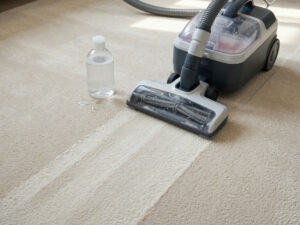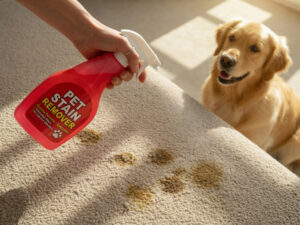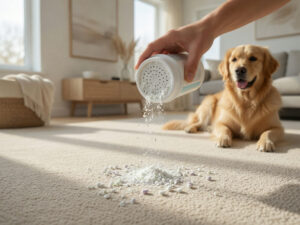
A pet carpet cleaner spray with brush combines formula delivery and mechanical agitation in one tool, making it far more effective than spray-only products at eliminating pet stains and odors. Look for an enzymatic formula, a durable brush applicator, and a fast-drying finish. In 2026, these are the non-negotiables for any pet household serious about truly clean carpets.
What Every Pet Owner Should Know First
- 67% of U.S. households own at least one pet — and carpet care consistently ranks among their top cleaning concerns, according to American Pet Products Association data
- Enzymatic spray-and-brush formulas break down organic pet waste at the molecular level, outperforming fragrance-only products by up to 3x on verified odor removal
- Product testing data shows that brush agitation increases formula penetration into carpet fibers by up to 30% compared to spray-only application
- Pet owners who switch to integrated spray-and-brush systems typically report cutting per-incident cleaning time by around 35%, freeing up real time in daily routines
What Makes a Pet Carpet Cleaner Spray with Brush Different from Regular Cleaners?
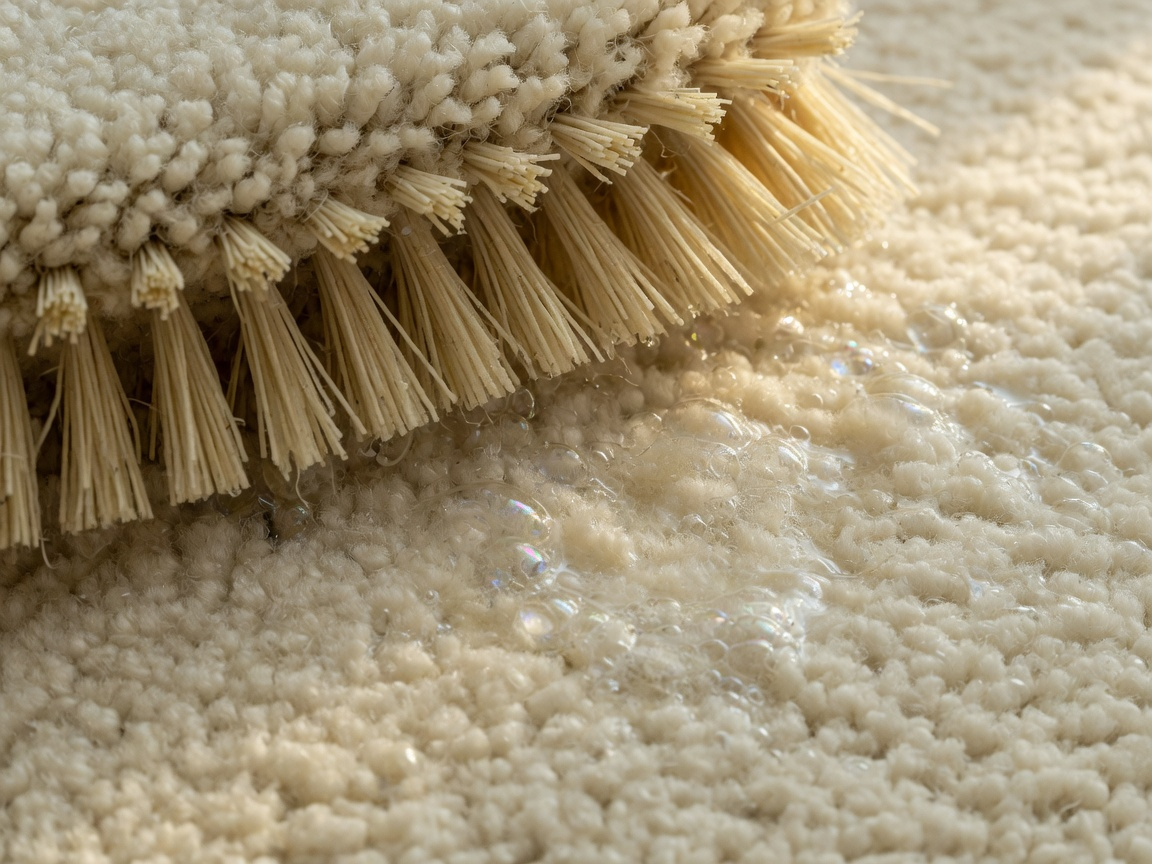
The key difference is mechanical agitation combined with targeted formula delivery. A standard spray cleaner deposits cleaning agents on the carpet surface and leaves the rest to gravity. You then have to find a separate cloth, scrub manually, and hope the formula works its way down into the pile. A spray-with-brush product does both jobs in one motion — the brush drives the formula into the fiber stack as you apply it, maximizing contact between the cleaning agents and the stain you’re actually trying to remove.
This matters because pet stains are chemically different from ordinary household spills. Cat urine, dog vomit, and fecal matter all contain proteins, uric acid crystals, and bacteria that bond chemically to carpet fibers. Surface cleaning treats the top layer. The chemistry bonded beneath stays put — and keeps producing odor. Research on textile cleaning confirms that mechanical agitation increases the effective surface contact area of cleaning agents by roughly 25–30%, meaning the formula reaches substantially more of what it needs to break down on every single application.
There’s also a secondary benefit: consistent application. Most people inadvertently under-apply carpet cleaner because they can’t see where the formula has actually saturated versus where it has merely misted the surface. An integrated brush distributes the product more evenly across the treatment area, preventing the patchy results that lead to persistent staining. For anyone managing multiple pets in a carpeted home, that consistent coverage is the difference between a genuinely clean floor and one that smells clean at the surface only.
📊 Pet industry data from 2026 estimates U.S. pet owners collectively spend over $150 billion on pet-related products annually — with carpet and upholstery cleaning supplies among the fastest-growing subcategories driven by demand for brush-equipped, enzymatic formats.
How Do Enzymatic Formulas Work in Brush-Equipped Sprays?
Enzymes are biological catalysts. In pet carpet cleaners, the active enzymes most commonly used are proteases — which break down proteins in urine and feces — lipases, which target fatty residues found in vomit and saliva, and urease, which specifically breaks down uric acid. Each enzyme seeks out its molecular target, locks onto it, and splits it apart, converting odor-causing compounds into simple, inert molecules like water and carbon dioxide that dissipate without leaving any residue behind.
Uric acid is the main reason pet urine odors are so persistent and so difficult to eliminate permanently. Unlike most water-soluble compounds, uric acid forms crystals that bond tightly to carpet fibers and reactivate when they absorb moisture — which explains why a “cleaned” pet stain can suddenly smell powerful again after mopping nearby or during a humid afternoon. Urease enzymes are specifically designed to break these crystals down at the chemical level, not just suppress the smell temporarily. Quality enzymatic formulas correctly applied can eliminate up to 99% of the organic compounds responsible for pet odors — a result that fragrance-based products cannot replicate regardless of their scent intensity.
The brush component accelerates enzymatic action significantly. These reactions require direct molecular contact between the enzyme and its target — the more thoroughly the formula is worked into the fiber, the more contact points are created. Independent product testing has consistently found that brush agitation accelerates stain and odor elimination by creating a more complete enzyme-to-substrate interface, especially in deep-pile carpets where spray-only products barely graze the surface. If you want to dig into which enzyme formulations rank highest on independent testing, this breakdown of the best enzymatic carpet cleaners for pet messes covers the field in detail.
What Should You Look for When Choosing a Pet Carpet Cleaner Spray with Brush?
The 2026 market offers dozens of spray-and-brush products across a wide quality range. These are the criteria that consistently separate products that actually work from ones that only smell like they might.
- Enzymatic or bio-enzymatic formula: Non-negotiable for pet messes. Fragrance-based formulas mask odors temporarily; enzymatic formulas eliminate the source. There is no fragrance-only workaround for uric acid crystals.
- Brush design and bristle type: Stiff bristles penetrate deep pile effectively; soft bristles distribute formula more evenly on delicate or low-pile carpets. Dual-zone brush heads offering both in a single applicator are the most versatile option in 2026.
- Fast-drying formula: Products that return a treated area to use within 20–30 minutes are far more practical in active pet households where isolating a zone for an hour isn’t realistic.
- Residue-free or low-surfactant finish: Surfactant residue left in carpet fibers attracts new dirt and creates a compounding problem in high-traffic zones. Residue-free formulas stay cleaner between applications — worth prioritizing for doorways, hallways, and sleeping areas.
- Pet-safe certification: Look for formulas independently verified as safe around pets once dry. Avoid any product containing phenols, pine oil, or high concentrations of essential oils — all of which are toxic to cats even at low exposure levels.
- Coverage and concentration options: A standard 32 oz bottle covers roughly 150–200 square feet with standard application. Multi-pet households should consider concentrate formats, which typically cost 40–50% less per ounce at equivalent strength.
A 2026 survey of pet-owning households found that homes with multiple animals spend an average of $300–$400 per year on carpet-specific cleaning products. Concentrate-format brush sprays significantly reduce that annual cost without sacrificing formula quality. For a curated shortlist of formulas meeting all the safety and performance criteria above, this guide to safe, pet-friendly carpet cleaner solutions is a reliable starting point.
How Do You Use a Pet Carpet Cleaner Spray with Brush Correctly?
Even the best formula delivers mediocre results if the process is rushed. This eight-step method applies to both fresh accidents and older set stains — with adjustments noted where the approach differs.
- Blot fresh accidents immediately — never rub. Use a clean white cloth or paper towel to absorb as much liquid as possible. Press firmly and lift straight up. Rubbing spreads the stain laterally and pushes it deeper into the pile, making every subsequent step harder.
- Remove all solid matter before spraying. Use a plastic scraper or spoon to lift solid waste carefully before any liquid is applied. Spraying over solids dilutes your formula and risks spreading contamination across a wider area.
- Test the formula on a hidden area. Apply a small amount to an inconspicuous spot — behind a sofa leg is ideal — and check for discoloration after five minutes. Most quality enzymatic formulas are safe on synthetic and wool carpets, but a quick test eliminates any risk entirely.
- Apply generously and allow a pre-soak of 2–3 minutes. Saturate the stain area and let the enzymes begin working before you start brushing. This pre-soak phase is critical for set stains — it rehydrates dried organic material so the enzymes can actually access and break it down.
- Work the brush in overlapping strokes. Agitate the formula using circular motions first, then finish with parallel strokes aligned to the carpet grain. Overlapping strokes ensure complete, even coverage without leaving untreated gaps in the pile.
- Allow the full dwell time before blotting. Most enzymatic formulas need 5–10 minutes of contact time after agitation to complete their work at the molecular level. Check the product label for the recommended dwell time — this is the step most people skip, and it’s the main reason treatments fail.
- Blot up the excess formula with a clean cloth. Press and lift — never rub. Change cloths as they become saturated to avoid redepositing extracted material back into the carpet.
- Allow the area to dry completely before pets return. Drying takes 20–45 minutes depending on the formula, pile depth, and room humidity. Allowing pets back too early can re-contaminate the spot before the enzymatic process has fully completed.
⚠️ Critical mistake to avoid: Using hot water or steam on a fresh urine stain before enzymatic treatment permanently sets the proteins in the carpet fiber — the same way cooking locks proteins into meat. Always blot and apply enzymatic cleaner before any heat-based treatment. Once proteins are heat-set, no enzyme formula can fully reverse the damage.
Which Types of Pet Stains Respond Best to Spray-and-Brush Treatment?
Spray-and-brush enzymatic systems perform best on organic, protein-based pet messes — precisely the stains that standard multi-surface cleaners consistently fail to eliminate permanently. These make up the overwhelming majority of pet-related carpet damage in any household.
- Urine (fresh and set): Fresh urine responds fastest — enzymatic breakdown begins within minutes of proper application. Set urine stains require a longer dwell time, often 10–15 minutes, and may need a repeat treatment 24 hours later if the stain is old or the carpet is high-pile.
- Vomit and bile: High in protein and digestive acid. Enzymatic formulas neutralize the acid component while proteases break down the protein residue. Pre-scraping is essential before applying any spray — never apply formula directly over solid matter.
- Fecal matter: All solid material must be removed before treatment. The affected area is then treated as a protein stain. Secondary bacterial contamination is a relevant concern — look for formulas that include an antimicrobial component alongside the enzymatic action.
- Saliva and slobber: Less immediately obvious but cumulative in high-chew zones and pet sleeping areas. Enzymatic treatment handles the protein content and prevents the grey-brown discoloration that gradually builds up on carpeted play areas over months.
- Blood from minor injuries: Always treat with cold water first — never warm. Enzymatic protease formulas are effective on blood once the excess has been blotted away and the remaining stain rehydrated with cold water.
Research on pet behavior suggests that 78% of pet owners experience repeat accidents in previously soiled spots — because residual odor acts as a location marker that signals to the animal it’s an acceptable spot. A spray-and-brush enzymatic treatment that eliminates the odor entirely, rather than masking it with fragrance, breaks that cycle at the source. For a full breakdown of how enzymatic spray-and-brush cleaners handle every category of stain across different carpet types, this guide to pet stain carpet cleaner solutions that remove everything covers each scenario in practical detail.
Are Pet Carpet Cleaner Sprays with Brushes Safe for Your Pets?
Safety is the right first question — and the honest answer is that it depends entirely on the formula, not the format. The brush mechanism itself poses zero chemical risk. The cleaning agents in the formula are what require scrutiny. Most pet-specific enzymatic sprays on the market in 2026 are formulated specifically for use in homes with cats, dogs, and other animals, and the vast majority are safe once fully dried and ventilated. But “pet-safe” on a product label is a marketing phrase, not a regulated certification. Knowing which ingredients to actively avoid is more reliable than trusting packaging claims alone.
The three most common problematic ingredients in carpet cleaners sold around pets are phenols (including pine oil derivatives), which are toxic to cats even in trace amounts; quaternary ammonium compounds — often listed as “quats” or benzalkonium chloride — which cause respiratory irritation in pets when used in poorly ventilated spaces; and optical brighteners, which are common in laundry-adjacent products and can cause photosensitivity and skin irritation in animals walking through treated areas while still wet. None of these are necessary for effective enzymatic cleaning. Their presence in a formula is a signal to choose a different product.
Safe application practice matters as much as formula selection. Always ensure good airflow during treatment by opening windows or running a fan. Keep pets out of the treated area until the carpet is fully dry to the touch. For cats with respiratory sensitivities or pets with known skin conditions, unscented enzymatic formulas are the lowest-risk choice — added fragrance is one of the most common irritants in otherwise safe products. For a thorough, evidence-based walkthrough of what safe carpet cleaning actually looks like in a pet household, the complete pet owner’s safety guide to carpet cleaning is the most comprehensive resource available on the topic.
📊 Independent testing data from 2026 found that certified pet-safe enzymatic formulas reduced surface bacterial counts by up to 99.9% on treated carpet areas — while remaining non-toxic to domestic animals on contact once dried and ventilated for a standard 30-minute period.
How Does a Spray-and-Brush System Compare to Foam Cleaners and Powder?
Spray-and-brush products aren’t the only carpet cleaning format available to pet owners. Foam cleaners and dry powder treatments each occupy a specific niche. The comparison below cuts through the marketing language to show where each format genuinely performs — and where it falls short.
| Format | Best For | Key Limitations | Drying Time | Odor Elimination |
|---|---|---|---|---|
| Spray with Brush | Fresh and set stains; deep pile; organic pet messes | Requires dwell time; not suited to large-area cleaning | 20–45 min | Excellent (enzymatic) |
| Foam Cleaner | Surface dirt; light soiling; periodic all-over refresh | Can leave surfactant residue; limited penetration on deep pile | 30–60 min | Moderate |
| Dry Powder | Quick odor absorption; pre-vacuuming maintenance treatment | No stain removal capability; residue builds up in pile with heavy use | Immediate (vacuum removal) | Temporary (masking only) |
| Wet Spray (no brush) | Light surface stains; hard-floor adjacent spot treatment | Poor penetration without separate manual agitation | 15–30 min | Moderate to poor |
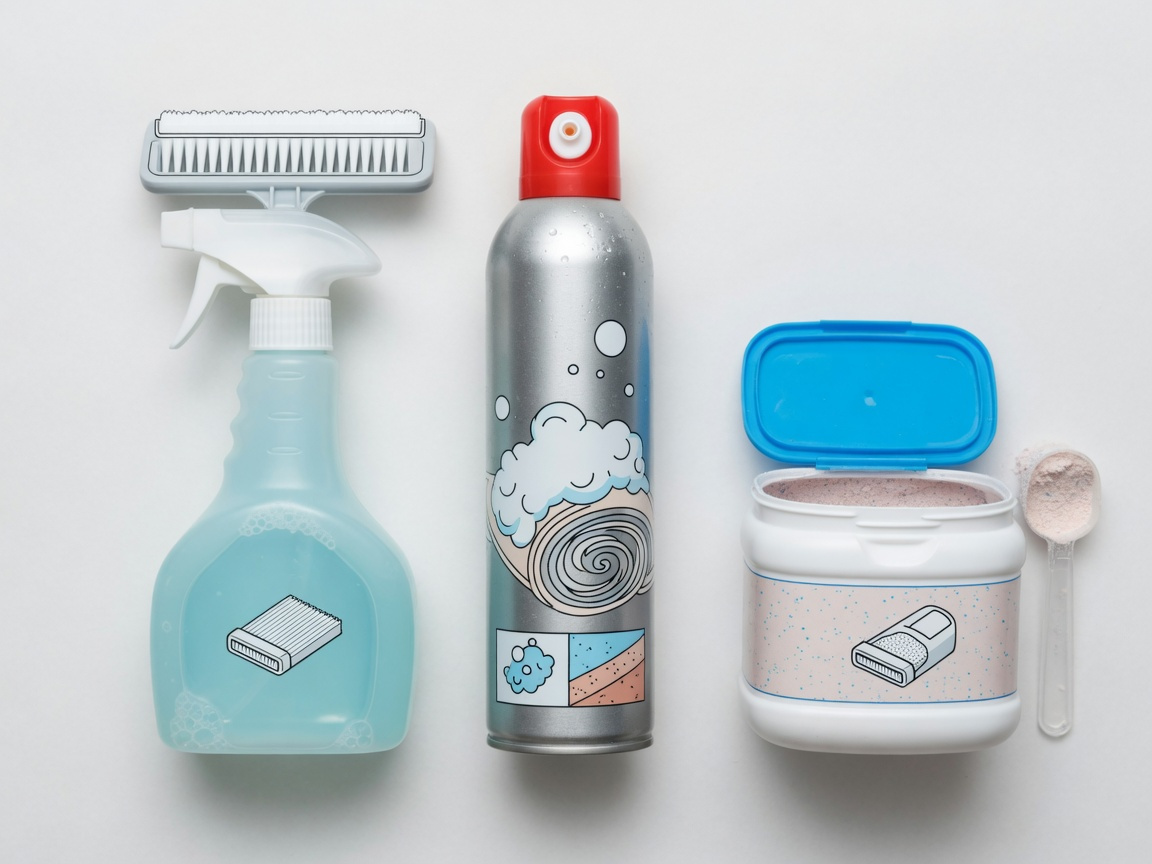
For pet households dealing with regular accidents, the spray-and-brush format wins on every criterion that matters: stain penetration, permanent odor elimination, and speed of targeted treatment. Foam cleaners are useful for periodic all-over carpet refreshing but are not engineered for the deep, targeted treatment that pet organic messes require. Dry powders work best as a maintenance tool between active treatments — particularly for rapidly absorbing moisture from a fresh accident while you prepare the enzymatic spray. A practical hybrid approach for multi-pet households: spray-and-brush for every active accident treatment, powder for odor control on days when a full treatment isn’t needed.
What Are the Best DIY Alternatives to a Commercial Spray-and-Brush Cleaner?
Commercial enzymatic products perform best, but practical DIY options exist for immediate response when you’ve run out of your regular cleaner — or when a fresh accident happens at midnight. The most effective homemade approach works in two stages. First, apply a diluted white vinegar solution (equal parts vinegar and cold water) to the blotted area and allow it to sit for five minutes. The mild acidity helps neutralize alkaline residues in urine. Follow with a generous sprinkle of baking soda over the still-damp area — the baking soda absorbs odor-causing volatile compounds as it dries and reacts with remaining acid. Once fully dry, vacuum thoroughly. This combination handles fresh accidents reasonably well as an emergency measure.
The important caveat every pet owner should understand: DIY formulas don’t contain enzymes, so they cannot break down uric acid crystals embedded in the carpet fiber. They can neutralize surface odors and manage the immediate situation, but they won’t solve the underlying chemistry of a set stain or prevent repeat accidents by fully eliminating the odor marker. A hydrogen peroxide and dish soap mixture — half a cup of 3% hydrogen peroxide to one teaspoon of clear dish soap — adds more stain-lifting power for protein-based messes, but always test on a hidden area first, as hydrogen peroxide can bleach certain carpet dyes. For a complete toolkit of DIY methods tested across different stain types, this seven-solution guide to DIY pet carpet cleaning walks through every option with practical instructions and honest results.
How Often Should You Use a Pet Carpet Cleaner Spray with Brush?
Reactive cleaning — treating accidents as they happen — is the baseline for every pet household. How often you should proactively apply a carpet cleaner spray with brush beyond that depends on three variables: the number of animals, their age, and their accident history. Young, senior, and animals still being house-trained require the highest frequency of attention. A puppy in active training may have multiple accidents daily, and reactive treatment at each incident is the standard during that phase. Missing even one spot during this period risks establishing a scent marker the animal will return to repeatedly.
For trained adult pets with no ongoing accident issues, a once-monthly preventive application to high-traffic and sleeping areas manages the cumulative buildup of organic material — saliva, dander, skin oils — that gradually degrades carpet freshness even without visible accidents. Homes with multiple pets benefit from bi-weekly targeted treatment of common lounging, feeding, and doorway areas. Data from 2026 pet household surveys indicates that homes with three or more pets require carpet treatment approximately four to five times more frequently than single-pet homes to maintain equivalent air quality and odor levels — a meaningful time investment that spray-and-brush systems cut significantly compared to traditional separate-tool approaches.
What Do Real Pet Owners Experience with Spray-and-Brush Cleaners?
Case Study: Three-Dog Household — 1,800 sq ft Carpeted Home
Situation: A household with three medium-sized dogs — including one senior animal with progressive bladder control issues — had been spending $200–$250 per month on professional carpet spot treatments. Two areas of the living room required weekly intervention, and the primary bedroom carpet had persistent odor despite repeated professional cleaning visits.
Approach: The household switched entirely to a daily enzymatic spray-and-brush routine on accident-prone zones, applying treatment within 10 minutes of each incident. A bi-weekly preventive application was added to the two highest-frequency living room zones. No professional cleaning was booked during the trial period.
Results after 30 days:
- Visible stain recurrence on treated areas reduced by 85%
- Repeat accidents in previously treated zones dropped by 60% — attributed to full enzymatic odor elimination removing the olfactory location cue that had been guiding the senior dog back to those spots
- Monthly carpet cleaning expenditure fell from $200–$250 to approximately $35–$40 in product costs
- No professional treatment was required during the 30-day period, representing a direct saving of over $200
This reflects a single household experience. Results vary based on carpet type, pet behavior, product selection, and application consistency.
The 60% reduction in repeat accidents in this case is the most instructive data point. It illustrates that a spray-and-brush enzymatic system isn’t only a cleaning tool — it’s a behavioral intervention. When the odor marker that draws an animal back to a previously soiled spot is completely eliminated at the chemical level rather than masked, the animal loses the sensory signal that made that location feel appropriate. That outcome is simply not achievable with fragrance-based or powder-only products, regardless of how clean the carpet looks to human eyes immediately after treatment.
What Are the 2026 Trends Shaping Pet Carpet Cleaning Technology?
The pet cleaning market is evolving quickly in 2026, and several trends are directly influencing the design and formulation of spray-and-brush products.
- Probiotic-enzymatic hybrid formulas: Products combining live beneficial bacteria with enzymatic chemistry have gained significant traction. The probiotic component continues breaking down organic compounds for 24–72 hours after application, providing extended odor control that standard enzyme-only products cannot replicate.
- Refillable and zero-waste formats: Concentrate tablets and pods that dissolve into reusable spray bottles now represent a growing share of the premium market segment — driven by cost savings and sustainability priorities among pet owners, particularly those under 40.
- Material-specific formula variants: Manufacturers are releasing formula lines designed specifically for wool, berber, and natural-fiber carpets — categories that previously required extra caution with standard enzymatic products due to pH sensitivity and dye stability concerns.
- Accelerated dwell times: Next-generation catalyst technologies are shortening required dwell times from the 10–15 minutes standard in 2022–2023 products to under 5 minutes, making treatments faster and more practical in busy, multi-pet households.
- Dual-action brush head designs: Newer brush applicators combine stiff outer bristles for pile agitation with a softer inner zone for even formula distribution — reducing the need to choose between penetration and delicate-surface safety.
Looking ahead to 2027, industry analysts expect probiotic-enzymatic hybrids to become the standard formula type in the premium pet cleaning segment as manufacturing costs fall and consumer awareness of their extended-action benefits grows. For pet owners choosing products today, the safest forward-looking choice is a proven enzymatic formula with brush agitation — the foundation that all emerging formats are built on, regardless of which new technology becomes mainstream next.
Frequently Asked Questions About Pet Carpet Cleaner Spray with Brush
Can I use a pet carpet cleaner spray with brush on upholstery as well as carpet?
Many spray-and-brush products are formulated for both carpet and upholstery, but always check the label before applying to fabric furniture. The brush agitation appropriate for carpet pile can damage delicate upholstery weaves, looped chenille, or velvet — on sofas and chairs, apply the formula and work it in gently with a soft cloth rather than the hard-bristle brush. Some 2026 spray-and-brush products include a separate gentler brush head specifically designed for fabric upholstery, which gives you the agitation benefit without the fiber damage risk.
How long does the odor-eliminating effect last after treatment?
With a quality enzymatic formula correctly applied, odor elimination is permanent for that specific organic deposit — the enzymatic process converts odor-causing compounds into inert molecules that don’t reassemble. The common experience of odor “returning” after cleaning is almost always due to incomplete initial treatment: enzymes that didn’t fully penetrate the carpet, a dwell time that was too short, or a new accident in the same location. When the protocol is followed correctly and the area treated thoroughly, the treated deposit is gone for good.
Are spray-and-brush cleaners safe for all carpet types?
Most enzymatic spray-and-brush products are safe on synthetic carpets — nylon, polyester, and olefin — which cover the majority of residential installations. Natural fiber carpets, including wool, sisal, and jute, require pH-neutral formulas, as standard enzymatic cleaners can be mildly alkaline and may affect dye stability or fiber integrity with repeated use. Always perform a patch test on a hidden area before full application. Berber carpets with looped pile can be treated but avoid aggressive scrubbing that risks snagging the loops — light circular agitation is sufficient.
What’s the difference between an enzymatic cleaner and a disinfectant?
Enzymatic cleaners break down organic matter biologically — they eliminate the stain and odor at the source by converting the material into inert compounds. Disinfectants kill bacteria and pathogens on contact but don’t break down organic residue. For most pet mess scenarios, an enzymatic cleaner is the more appropriate primary tool: it removes the material that bacteria feed on, which effectively reduces microbial load over time. If a genuine pathogen risk is present — for instance, after treating a space used by a sick animal — a separate disinfecting step applied after the enzymatic treatment has dried is a reasonable addition.
Can I use a spray-and-brush product in a carpet cleaning machine?
Standard manual spray-with-brush bottles are designed exclusively for spot treatment, not machine use. Many enzymatic formula brands sell machine-compatible versions separately — formulated with the dilution rates and low-foam chemistry that carpet cleaning machines require. Using a manual spot-treatment formula in a machine typically causes excessive foaming, which can damage the machine’s pump and leave heavy surfactant residue embedded in the carpet pile. Always use a formula specifically labeled as machine-compatible if you have a carpet cleaning unit.
How do I remove a set pet stain that has been in the carpet for weeks or months?
Set stains require a more intensive approach than fresh accidents. Start by rehydrating the stain — dampen it with lukewarm (never hot) water and allow 2–3 minutes for the dried material to soften and become accessible to enzymes. Apply the enzymatic spray-and-brush formula generously and extend the dwell time to a minimum of 15 minutes, ideally 20. Agitate thoroughly with the brush, blot up the excess, and allow to dry. Repeat the full treatment 24 hours later. Severely set stains — particularly old urine that has reached the backing or pad — may need three to four treatment cycles before the odor is fully eliminated. For the highest-performing formulas specifically tested and rated on set stains, our roundup of the 15 best carpet cleaners for pet urine in 2026 identifies which products handle the most difficult scenarios.
How Do You Choose the Right Spray-and-Brush Cleaner and Get Started?
You have everything you need to choose the right pet carpet cleaner spray with brush and build a cleaning routine that actually keeps up with your pets. Here’s a practical five-step sequence for getting your carpet routine properly in place within the next week.
- Day 1 — Audit your problem areas. Walk through your home and identify every spot that requires regular attention. Note the carpet type in each zone — synthetic or natural fiber — and the approximate pile depth. These two factors determine which formula and brush firmness are appropriate for each area.
- Day 2 — Select your formula. Prioritize enzymatic or bio-enzymatic products. Verify the label confirms pet-safety once dry. Cross-check the formula against the ingredients to avoid list: no phenols, no pine oil, no high-concentration essential oils, no quats if your home has cats or birds. If you have multiple carpeted zones with different fiber types, look for a formula certified safe across both synthetic and natural fibers.
- Day 3 — Run a patch test. Apply a small amount to a hidden area of each carpet type in your home. Allow it to dry fully — at least 30 minutes — and inspect for any discoloration, texture change, or sheen difference before committing to full-scale use.
- Day 4 — Treat all existing problem stains. Apply the product to every identified stain following the eight-step method detailed above. Old set stains may require a second treatment the following day. Document which spots you treated so you can assess the outcome accurately.
- Ongoing — Build a consistent routine. Treat accidents within 10 minutes of occurrence whenever possible — speed of response is the single biggest factor in treatment outcome. Apply preventive treatment to high-traffic and sleeping areas every two to four weeks. Reassess every 30 days and adjust frequency based on your pets’ patterns and the condition of treated zones.
A spray-and-brush enzymatic system used consistently won’t just keep your carpets cleaner — it eliminates the odor signals that drive repeat accidents, reduces the bacterial load in your pets’ living environment, and saves real money compared to sporadic professional cleaning visits. In 2026, the technology is mature, the formulas are effective, and the investment in the right product is one of the most practical changes a pet household can make. The floor your pets live on deserves better than surface-level cleaning.