Dealing with pet urine odors in your carpets can be a challenging task for any pet owner. It's disheartening to discover a new odor in your home, especially when your furry friend looks at you with innocent eyes. I understand the frustration and the urgency to eliminate these unpleasant smells and restore the freshness of your living spaces.
Through years of experience, I've learned that there's no one-size-fits-all solution. Instead, it's important to take a tailored approach that considers the type of carpet, the age of the stain, and the sensitivity of your (and your pet's) noses.
To start, it's crucial to take immediate action to prevent the stain from setting in. Blotting the affected area with a clean cloth or paper towel can help absorb as much urine as possible. Avoid rubbing, as this can spread the stain and make it more difficult to remove. Once you've blotted the area, you can move on to using effective cleaners.
Enzyme cleaners have proven to be highly effective in eliminating pet urine odors. These cleaners contain enzymes that break down the urine at a molecular level, neutralizing the odor. They are specifically designed to target the proteins and bacteria present in pet urine, ensuring a thorough and deep clean. It's important to choose an enzyme cleaner that is specifically formulated for carpets and safe to use around pets and children.
If you prefer a DIY approach, you can also try using baking soda and vinegar to tackle the odor. Sprinkle baking soda generously over the affected area and let it sit for a few hours or overnight. Baking soda is known for its odor-absorbing properties. Once the baking soda has absorbed the odor, you can vacuum it up. Afterward, you can create a solution of equal parts vinegar and water and use it to rinse the area. Vinegar helps neutralize the odor and can also act as a disinfectant.
When using any cleaning method, it's important to test it on a small, inconspicuous area of your carpet first to ensure it doesn't cause any damage or discoloration. Additionally, be sure to follow the instructions provided by the manufacturer of the cleaning product.
In some cases, particularly for older or stubborn stains, it may be necessary to hire a professional carpet cleaner. They have access to specialized equipment and solutions that can effectively remove deep-set pet urine odors. Professional cleaning can help ensure that your carpets are thoroughly cleaned and free from any lingering odors.
In conclusion, banishing pet urine odors from your carpets requires a tailored approach that considers the type of carpet, the age of the stain, and the sensitivity of your noses. Immediate action, such as blotting the area, is crucial to prevent the stain from setting in. Enzyme cleaners, baking soda, and vinegar can all be effective in eliminating pet urine odors. If necessary, don't hesitate to seek professional help to ensure a thorough and odor-free cleaning. With these strategies, you can reclaim the freshness of your living spaces and enjoy a clean environment for both you and your beloved pet.
Understanding Pet Urine Odor
Understanding Pet Urine Odor
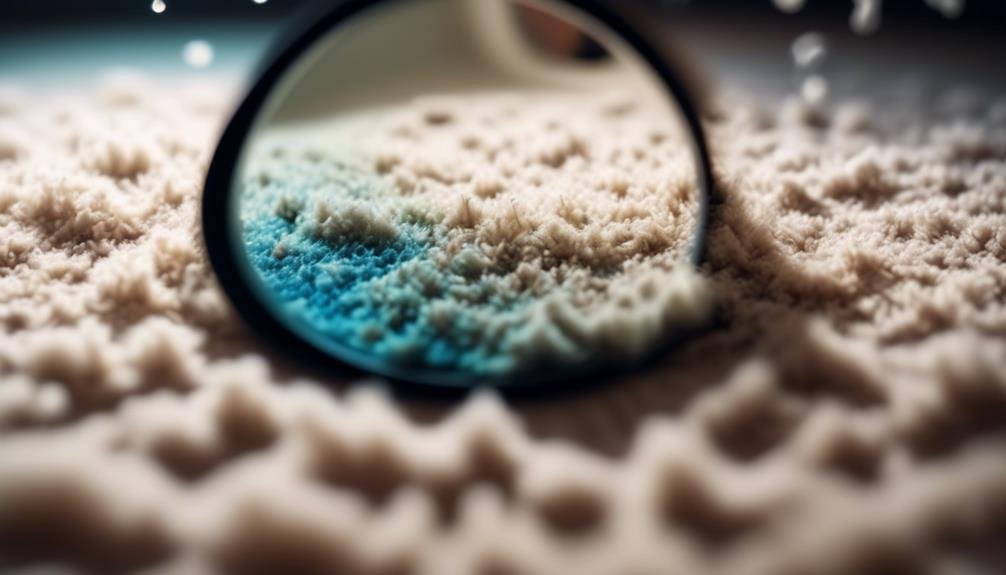
Dealing with pet urine odors in your carpet can be more than just bothersome; it's a sign of underlying issues that need attention. When your furry friend has an accident, the urine doesn't just stay on the surface. It seeps deep into the fibers, padding, and even the subfloor, creating a cozy breeding ground for bacteria. As these unwelcome guests multiply, they release gases that emit that unmistakable, lingering smell.
It's crucial to grasp this process in order to effectively tackle the problem. You're not just cleaning a stain; you're fighting an invisible enemy lurking below the surface. This goes beyond aesthetics or removing a temporary inconvenience. It's about maintaining the health and cleanliness of your living space, for both you and your pet.
The longer urine remains, the more difficult the battle becomes. The acidity in urine can also harm your carpet over time, causing discoloration and deterioration. That's why taking swift action and understanding what you're up against are essential. Equipped with this knowledge, you'll be better prepared to reclaim your space and keep it fresh and inviting.
To combat pet urine odor effectively, here are some steps you can take:
- Act quickly: As soon as you notice a pet accident, address it promptly. The longer it sits, the harder it will be to remove the odor.
- Blot, don't rub: Use a clean cloth or paper towels to absorb as much urine as possible. Avoid rubbing, as this can spread the stain and odor.
- Use an enzymatic cleaner: Enzymatic cleaners are specifically designed to break down the proteins in urine, eliminating both the stain and odor. Look for products that contain enzymes like amylase, protease, and lipase.
- Deep clean your carpet: Consider renting a carpet cleaner or hiring a professional carpet cleaning service to thoroughly clean your carpet. This will help remove any remaining urine residue and bacteria.
- Treat the subfloor: If the urine has penetrated through the carpet and padding to the subfloor, you may need to treat it as well. Use an enzymatic cleaner or consult a professional for guidance.
- Prevent future accidents: Train your pet to use designated areas for elimination and consider using pee pads or litter boxes. Regularly clean these areas to discourage repeat accidents.
Immediate Actions for Stains
Knowing what to do when faced with a fresh stain on your carpet is crucial in preventing permanent stains and lingering smells. Acting quickly is key, so here are the immediate steps you should take:
Firstly, it's important to blot the stain instead of rubbing it. Use a clean, dry towel to gently blot the area. Rubbing the stain can actually spread the urine deeper into the carpet fibers, making it harder to remove.
Next, you'll want to rinse the area with cold water. Be careful not to drench the carpet, but use just enough water to dilute the urine. This will help remove any excess urine and prepare the area for cleaning.
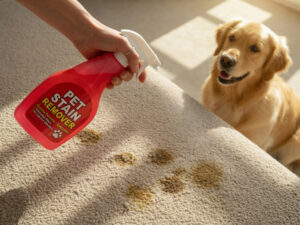
After rinsing, it's time to apply a pet-safe cleaner specifically designed for pet stains. Enzymatic cleaners are highly recommended as they break down the urine molecules, effectively eliminating both odor and stain. Be sure to follow the instructions on the cleaner and allow it to sit for the recommended amount of time.
If the stain or smell persists after the first round of cleaning, don't hesitate to repeat the process. Some stains may require multiple treatments to fully remove.
Enzyme Cleaner Applications
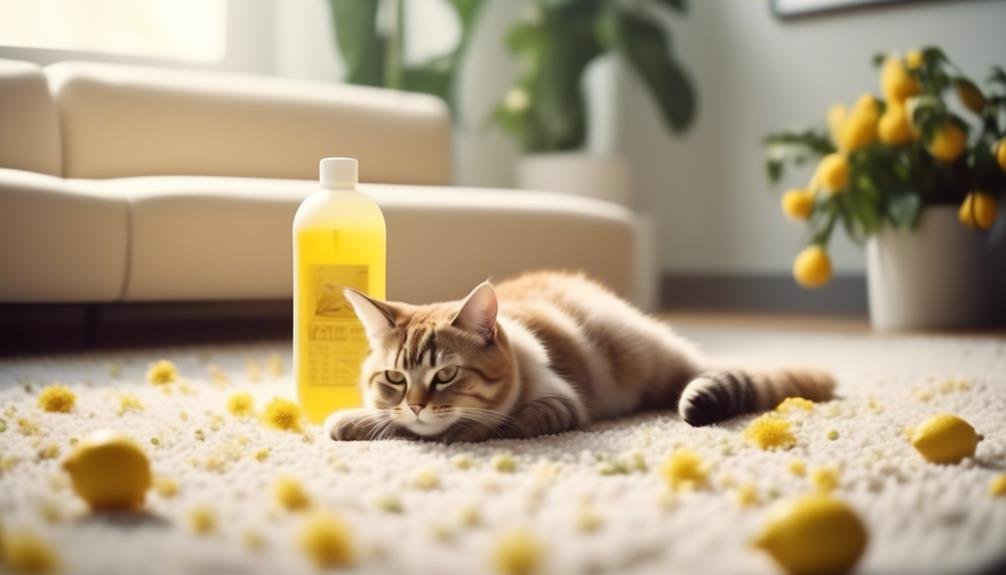
Enzyme cleaners are incredibly effective at eliminating pet urine smells from your carpet. Unlike traditional cleaning products, they can break down the urine at a molecular level, ensuring complete odor removal.
To achieve the best results, it's important to know how to apply enzyme cleaners correctly. Here's a simple guide to help you through the process:
Step 1: Identify the Stain
To locate old urine stains, use a black light in a dark room. This will make the stains glow, making them easier to find and treat.
Step 2: Apply Enzyme Cleaner
Once you've identified the stain, it's time to apply the enzyme cleaner. Make sure to saturate the stained area thoroughly, ensuring the cleaner penetrates the carpet pad. This will ensure that the enzymes can effectively break down the urine and eliminate the odor.
Step 3: Let It Sit
For the enzymes to work their magic, it's important to let the cleaner sit on the stain for an extended period. For best results, allow it to work overnight. This will give the enzymes enough time to break down the urine molecules completely.
Step 4: Blot and Dry
After the enzyme cleaner has had time to work, gently blot the area with a clean cloth. This will help remove any excess moisture and residue. Let the area air dry completely before allowing pets or people to walk on it.
DIY: Baking Soda and Vinegar
If you're looking for an eco-friendly and affordable solution, combining baking soda and vinegar can be a fantastic way to tackle pet urine odors in your carpet. As a pet owner, dealing with these accidents can be frustrating, but don't worry, you're not alone. This simple method can offer you some much-needed relief.
So, why is this duo the go-to solution? Well, baking soda is excellent at absorbing odors and moisture, effectively lifting the unwanted smell out of your carpet fibers. Vinegar, on the other hand, breaks down the urine crystals, eliminating the root cause of the odor. The best part is that this combination is safe for most carpets, so you don't have to worry about damaging your beloved floor covering. Plus, it's a budget-friendly option, using ingredients that you likely already have in your kitchen.
Here's how to use this powerful duo effectively: Start by blotting up as much of the urine as you can. Then, generously sprinkle baking soda over the affected area. Next, mix equal parts water and vinegar to create a solution, and gently apply it over the baking soda. Let it sit for a few hours or overnight for tougher odors, then vacuum it up. You'll be amazed at how this simple DIY method can restore freshness to your home.
Professional Carpet Cleaning
When DIY methods aren't cutting it, it's time to consider professional carpet cleaning. If you're struggling to get rid of those persistent pet urine odors, hiring professionals is your best option. They have the expertise and tools to thoroughly remove odors and restore your home's freshness.
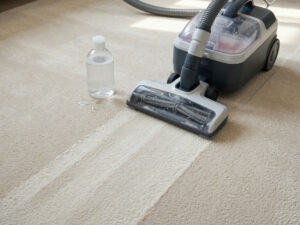
Professional cleaners use specialized equipment and solutions that penetrate deep into the carpet fibers. This allows them to break down and eliminate the urine odors that have settled. One effective method they often use is hot water extraction, also known as steam cleaning. Not only does this process remove odors, but it also deep cleans and sanitizes your carpets. Over-the-counter products and homemade solutions just can't match the effectiveness of professional cleaning.
Choosing a reputable carpet cleaning service is crucial. Look for companies with positive reviews and ask about their experience specifically with pet odors. It's also important to inquire about the safety of their cleaning agents, especially if you have pets or children at home.
Don't let stubborn pet urine odors linger in your carpets. Trust the professionals to get the job done right and bring back the freshness to your home.
Frequently Asked Questions
How Can Climate or Humidity Levels in a Home Affect the Persistence of Pet Urine Odors in Carpets?
The climate and humidity levels in your home can have a significant impact on the persistence of pet urine odors in carpets. When there is high humidity or a damp climate, the moisture in the air can reactivate the smell, making it more difficult to eliminate.
To effectively tackle this issue, it is crucial to use cleaning methods that are specifically tailored to your environment. Here are some strategies to consider:
- Promptly clean up accidents: When your pet has an accident on the carpet, it's important to clean it up as soon as possible. Blot the area with paper towels or a clean cloth to remove as much urine as you can. Avoid rubbing the stain, as this can spread it further into the carpet fibers.
- Use an enzymatic cleaner: Enzymatic cleaners are specifically designed to break down the proteins in pet urine, eliminating both the stain and the odor. These cleaners work by using enzymes to digest the urine molecules, effectively removing the source of the smell. Look for enzymatic cleaners that are specifically formulated for use on carpets.
- Consider a carpet cleaner: If the urine odor persists, you may want to invest in a carpet cleaner. These machines use hot water and cleaning solutions to deep clean your carpets, effectively removing any trapped odors. Look for a carpet cleaner that is designed to handle pet stains and odors, as they often have specialized features and formulas.
- Use a dehumidifier: If you live in a humid climate or have high humidity levels in your home, using a dehumidifier can help to reduce moisture in the air. This can help prevent the reactivation of pet urine odors in your carpets. Place the dehumidifier in the room where the carpet is located and follow the manufacturer's instructions for optimal use.
- Ventilate the area: Proper ventilation is essential for reducing humidity levels in your home. Open windows or use fans to circulate fresh air and promote drying. This can help prevent the buildup of moisture and minimize the persistence of pet urine odors in your carpets.
Are There Any Health Risks to Pets or Humans From Long-Term Exposure to Pet Urine Odors or the Cleaning Agents Used to Remove Them?
Exposure to pet urine odors and certain cleaning agents can pose health risks for both humans and pets over time. It is important to select safe and effective cleaners to safeguard the well-being of your family.
Long-term exposure to pet urine odors can lead to respiratory issues, such as allergies and asthma. The ammonia present in urine can irritate the airways, causing coughing, wheezing, and difficulty breathing. Additionally, the bacteria and fungi that thrive in urine can contribute to the development of respiratory infections.
Furthermore, some cleaning agents used to remove pet urine odors may contain harmful chemicals that can pose health risks. For instance, certain disinfectants and carpet cleaners contain ingredients like bleach, ammonia, or phthalates, which can be toxic when inhaled or ingested. Prolonged exposure to these chemicals may lead to respiratory irritation, skin allergies, or even organ damage.
To mitigate these risks, it is crucial to choose safe cleaning products specifically formulated to neutralize pet urine odors without posing harm to humans or pets. Look for products that are labeled as pet-friendly, non-toxic, and free from harsh chemicals. Natural alternatives like vinegar, baking soda, or enzymatic cleaners can effectively eliminate pet urine odors without compromising your health.
Can Certain Carpet Materials or Types Hold Onto Pet Urine Odors More Stubbornly Than Others, and How Should They Be Treated Differently?
Certain types of carpets, such as those with dense fibers or made of wool, have a tendency to hold onto pet urine odors more stubbornly than others. This is because these materials can absorb the urine and trap the odor within their fibers.
To effectively remove the smell and protect your carpet, it is important to use specific cleaning solutions and techniques. One effective solution is to use an enzymatic cleaner designed specifically for pet urine. These cleaners contain enzymes that break down the urine molecules, eliminating the odor at its source.
When treating carpets with dense fibers or wool, it is important to follow the manufacturer's instructions and test the cleaning solution on a small, inconspicuous area of the carpet first to ensure that it does not cause any damage or discoloration.
In addition to using the right cleaning solution, it is also important to thoroughly clean and rinse the affected area. This can be done by blotting up as much of the urine as possible with clean towels or paper towels, and then applying the cleaning solution according to the instructions. After allowing the solution to sit for a few minutes, blot the area again to remove as much moisture as possible.
It is important to note that in some cases, particularly if the urine has been left untreated for an extended period of time, professional carpet cleaning may be necessary to completely remove the odor. Professional cleaners have access to specialized equipment and solutions that can effectively deep clean the carpet and eliminate any lingering odors.
To prevent future odors, it is important to address accidents promptly. Blot up any urine immediately, and then clean the area with the appropriate cleaning solution. Additionally, consider using a pet-specific carpet cleaner or deodorizer regularly to keep your carpet smelling fresh.
How Often Should Carpets Be Deep Cleaned to Prevent the Accumulation of Pet Urine Odors, Even if No Accidents Are Visible?
To prevent pet urine odors from building up, it is recommended to deep clean your carpets every 12 to 18 months. This regular cleaning routine not only keeps your home smelling fresh, but also helps to prolong the life of your carpets.
By deep cleaning your carpets on a regular basis, you can effectively remove any hidden pet urine stains and odors that may not be visible to the naked eye. Even if you haven't noticed any accidents or stains, it's important to remember that pet urine can seep deep into the carpet fibers and padding, leading to unpleasant odors over time.
Regular deep cleaning helps to eliminate these odors and keeps your carpets looking and smelling their best. It also helps to maintain the overall cleanliness and hygiene of your home, creating a healthier environment for both you and your pets.
When it comes to choosing a method for deep cleaning your carpets, there are a few options to consider. One popular choice is steam cleaning, which uses hot water and detergent to remove dirt, stains, and odors from your carpets. Another option is dry cleaning, which involves using a specialized cleaning solution that is applied to the carpet and then vacuumed up, leaving your carpets fresh and dry.
In addition to regular deep cleaning, there are also some preventative measures you can take to minimize pet urine odors in your home. For example, you can use pet-friendly carpet cleaners and deodorizers specifically designed to neutralize and eliminate pet odors. It's also a good idea to establish a regular routine for cleaning up any accidents or spills as soon as they occur, as this can help prevent stains and odors from setting in.
What Are the Environmental Impacts of Commonly Used Pet Urine Odor Removers, and Are There Sustainable or Eco-Friendly Alternatives?
Pet urine odor removers are commonly used to tackle the unpleasant smells that can arise from our furry friends' accidents. However, many of these commercial products contain chemicals that can be harmful to the environment. In fact, a surprising 70% of these odor removers have been found to have a negative impact on aquatic life. This is concerning because these chemicals can end up in our waterways, polluting the ecosystem and potentially harming the delicate balance of aquatic organisms.
Fortunately, there are greener alternatives available that are both safe and effective in removing pet urine odors. One such option is vinegar. Vinegar is a natural deodorizer and disinfectant that can help neutralize the odor-causing compounds in pet urine. Simply mix equal parts of vinegar and water, apply it to the affected area, and let it sit for a few minutes before blotting it dry. Not only is vinegar an eco-friendly choice, but it is also inexpensive and readily available.
Another eco-friendly alternative is baking soda. Baking soda is known for its ability to absorb odors and can be used to eliminate pet urine smells as well. Sprinkle a generous amount of baking soda onto the affected area, let it sit for a few hours or overnight, and then vacuum it up. The baking soda will help absorb the odor, leaving your home smelling fresh and clean. Plus, baking soda is non-toxic and safe to use around pets and children.
In addition to these natural remedies, there are also eco-friendly pet urine odor removers available on the market. These products are specifically formulated to be safe for the environment while effectively eliminating odors. Look for products that are labeled as "eco-friendly," "biodegradable," or "non-toxic." Some popular brands include Nature's Miracle, Simple Solution, and Earth Rated.
When it comes to tackling pet urine odors, it's important to choose products that not only get the job done but also minimize harm to the environment. By opting for greener alternatives like vinegar, baking soda, or eco-friendly odor removers, you can effectively eliminate odors while making a positive impact on the planet. So next time your furry friend has an accident, consider going the eco-friendly route and choose a pet urine odor remover that is safe for both your pet and the environment.
Conclusion
Congratulations! You have now mastered the art of banishing pet urine odors from your carpets. Armed with knowledge and practical tools, you're ready to become a stain-fighting superhero.
Acting swiftly is key, as it can make all the difference in eliminating odors effectively.
Enzyme cleaners are your trusty sidekicks in this battle against pet urine odors. These specialized cleaners work by breaking down the odor-causing molecules at a molecular level, effectively neutralizing the unpleasant smell. When using enzyme cleaners, be sure to follow the instructions provided by the manufacturer for the best results.
But wait, there's more! The dynamic duo of baking soda and vinegar is also at your disposal. Baking soda is a natural deodorizer that can help absorb and neutralize odors. Sprinkle a generous amount of baking soda over the affected area, let it sit for a while, and then vacuum it up. For an extra boost, you can also create a solution of vinegar and water and spray it onto the carpet. Vinegar is known for its odor-eliminating properties, and when combined with water, it can help remove stubborn pet urine odors.
Remember, it's not just about getting rid of the odor, but also ensuring that your carpets are clean and fresh. Regular vacuuming and deep cleaning can help maintain the overall cleanliness of your carpets. Consider investing in a high-quality vacuum cleaner with strong suction power to effectively remove pet hair and dander from your carpets.
In some cases, the battle against pet urine odors may seem too tough to handle on your own. That's when it's time to call in professional reinforcements. Professional carpet cleaning services have the expertise and specialized equipment to tackle even the toughest pet urine odors. They can deep clean your carpets, removing not only the odor but also any stains or residue left behind.
By following these strategies, your carpets won't only smell fresh and clean but also feel soft and inviting underfoot. Don't let pet urine odors get the best of you. With the right tools and techniques, you can reclaim your carpets and enjoy a home that smells like a fresh spring morning.